The Arabic language carries centuries of profound wisdom. Short Arabic quotes and Arabic proverbs have traveled across generations. They offer deep insights into life, love, friendship, and human nature.
If you want to learn about more quotes than visit this short quotess
Why Short Arabic Quotes Are So Powerful
Arabic sayings possess a unique power. The Arabic language is known for its poetic nature and depth. A few words in Arabic can express what might take entire sentences in other languages.
If you want to learn about Foreign Language Quotes than visit this page
These cultural expressions have survived for centuries. They originated in the Arab world and spread across different regions. From Egyptian Arabic to Levantine Arabic, from Moroccan Arabic to Gulf Arabic, variations exist across regional dialects.
Top 25 Short Arabic Quotes

الجمال في عين الناظر (Al-jamal fi ‘ayn al-nadhir)
“Beauty is in the eye of the beholder”
This Arabic proverb teaches that beauty is subjective. Different people see beauty differently. What one person finds beautiful, another might not appreciate.
This saying appears across dialectal Arabic variations. The literal translation matches perfectly with its English equivalent. Use this quote when discussing art, relationships, or personal preferences. It reminds us that perspective and opinion shape how we see the world.
الصديق وقت الضيق (Al-sadiq waqt al-dayq)
“A friend in need is a friend indeed”
This powerful saying about friendship boundaries and loyalty emphasizes true friendship. Real friends reveal themselves during difficult times, not during celebrations.
The figurative speech is direct and clear. Across the Arab world, from Iraqi Arabic to Bedouin communities, this proverb teaches the same lesson. It speaks to social behavior and the importance of standing by loved ones.
العقل زينة (Al-‘aql zeena)
“The mind is an ornament”
Intelligence and wisdom beautify a person more than physical appearance. This short Arabic quote values mental abilities over external beauty.
This classical proverb reflects Arab culture‘s deep respect for knowledge and wisdom. The cultural interpretation emphasizes that true beauty comes from within. Parents often share this with children to encourage learning and self-awareness.
الباب اللي يجيك منه الريح سده واستريح (Al-bab illi yijik minnu al-rih siddu wa-starih)
“Close the door from which the wind comes and find peace”
Remove the source of your problems to find comfort. This Arabic saying offers practical traditional advice about solving issues at their root.
The metaphorical meaning is clear across regional dialects. Whether in Egyptian Arabic or Levantine Arabic, the message remains the same. Address problems directly rather than suffering their consequences. This reflects wisdom about blame and responsibility.
الصبر مفتاح الفرج (Al-sabr miftah al-faraj)
“Patience is the key to relief”
Difficult times pass with patience. This Arabic proverb teaches perseverance during hardship.
This moral lesson appears in countless variations across spoken Arabic. The symbolic meaning of patience as a “key” resonates universally. When facing challenges, this quote reminds us that endurance brings solutions. It reflects generational wisdom about handling life’s difficulties.
اللي ما يعرف الصقر يشويه (Illi ma ya’rif al-saqr yishwih)
“He who doesn’t know the falcon roasts it”
Someone who doesn’t recognize value destroys it. This folk saying warns against ignorance and waste.
The figurative language uses the noble falcon as a symbol of value. In Arab culture, falcons represent prestige and worth. The cultural equivalent might be “casting pearls before swine.” This proverb teaches self-awareness and recognizing value in ourselves and others.
الوقاية خير من العلاج (Al-wiqaya khayr min al-‘ilaj)
“Prevention is better than cure”
Avoiding problems is wiser than fixing them later. This Arabic expression offers practical health and life advice.
The literal translation matches the English proverb equivalent perfectly. Across regional vocabulary, from Gulf Arabic to Moroccan Arabic, this wisdom remains consistent. It applies to health, relationships, and community life.
العين بصيرة واليد قصيرة (Al-‘ayn basira wa-al-yad qasira)
“The eye sees but the hand is short”
We often desire what we cannot reach. This short Arabic quote describes the gap between wanting and having.
This idiomatic expression speaks to dissatisfaction with life and human desires. The metaphor of the seeing eye and short hand beautifully captures this universal experience. It teaches gratitude for what we have and acceptance of limitations.
كل فولة ولها كيال (Kul fula wa-laha kayyal)
“Every bean has its measurer”
Everyone meets their match eventually. This Arabic proverb teaches that no one escapes accountability.
The reference to beans and a measuring scale creates powerful figurative speech. In traditional Arabic wisdom, even simple objects teach profound truths. This saying reflects beliefs about justice and guilt and conscience. It appears in various forms across dialect variations.
اللي استحوا ماتوا (Illi istahaw matu)
“Those who were shy have died”
Don’t let shyness stop you from pursuing what you need. This bold Arabic saying encourages assertiveness.
This folk metaphor uses dramatic symbolism to make its point. Across Egyptian Arabic and other regional dialects, this proverb teaches confidence. It’s often used to encourage someone hesitant to speak up or take action. The cultural interpretation values courage over excessive modesty.
على قد لحافك مد رجليك (Ala qadd lihafak midd rijlayk)
“Stretch your legs according to your blanket”
Live within your means. This Arabic proverb teaches financial wisdom and realistic expectations.
The literal translation creates a vivid image understood across cultures. This moral lesson about spending and lifestyle appears in dialectal Arabic from the Bedouin to urban centers. It promotes contentious and avoiding debt. The traditional advice remains relevant in modern times.
الحركة بركة (Al-haraka baraka)
“Movement is blessing”
Action brings prosperity and good fortune. This simple short Arabic quote values effort over passivity.
The proverb meaning emphasizes that action is better than inaction. Across the Arab world, this saying encourages productivity and initiative. The connection between movement and blessing reflects cultural values about work and effort. It’s similar to “a rolling stone gathers no moss.”
درهم وقاية خير من قنطار علاج (Dirham wiqaya khayr min qintar ‘ilaj)
“An ounce of prevention is worth a pound of cure”
Small preventive measures save major problems later. This Arabic expression emphasizes proactive thinking.
The comparative proverbs structure contrasts small effort with large consequences. This classical proverb appears in medical contexts and daily life advice. The cross-cultural equivalents show how universal this wisdom is. It reflects intelligent perspective and opinion about managing life.
اللي يحبك ما يعذبك (Illi yihibbak ma yi’adhdhbak)
“Who loves you doesn’t hurt you”
True love doesn’t cause pain. This Arabic saying defines healthy relationships.
This short Arabic quote about family values and relationships sets clear standards. The figurative language is straightforward, making it powerful across all regional dialects. It helps people recognize toxic relationships and value genuine care. The moral storytelling is simple but profound.
الطيور على أشكالها تقع (Al-tuyur ‘ala ashkaliha taqa’)
“Birds of a feather flock together”
Similar people naturally gather together. This Arabic proverb observes social behavior patterns.
The metaphorical meaning uses birds to represent people with shared interests or characters. This folk saying appears across spoken Arabic in various forms. It reflects observations about community life and how people form groups. The English equivalent shows this is universal human behavior.
اللي ما عنده قديم ما عنده جديد (Illi ma ‘indu qadim ma ‘indu jadid)
“Who has no old has no new”
Value your roots and history. This Arabic expression teaches respect for the past.
This traditional Arabic wisdom emphasizes continuity and heritage. The cultural interpretation suggests that progress builds on foundations. Without respecting the old, you cannot truly appreciate or build the new. It appears in discussions about family values and generational wisdom.
العلم نور (Al-‘ilm nur)
“Knowledge is light”
Education illuminates life. This brief short Arabic quote captures the power of learning.
The simple symbolism of knowledge as fire or light appears across cultures. In Arab culture, education holds tremendous value. This classical proverb motivates students and celebrates teachers. The literal translation maintains its poetic beauty in English.
اللي ما يطول العنب حامض عنه يقول (Illi ma yitul al-‘inab hamid ‘anhu yiqul)
“He who cannot reach the grapes says they are sour”
People criticize what they cannot have. This Arabic proverb exposes hypocrisy and defensive behavior.
The famous story of the fox and grapes appears in this folk saying. Across dialectal Arabic, the moral lesson remains consistent. It teaches self-awareness about our defensive reactions. The cultural equivalent helps us recognize when we’re making excuses. This figurative speech addresses human nature honestly.
ما كل ما يلمع ذهب (Ma kul ma yilma’ dhahab)
“Not all that glitters is gold”
Appearances deceive. This Arabic saying warns against superficial judgments.
The metaphor of gold versus shiny objects creates lasting wisdom. This traditional advice protects people from deception and false promises. The English proverb equivalent shows this wisdom transcends cultures. It teaches careful evaluation before trusting appearances.
الوقت كالسيف (Al-waqt ka-al-sayf)
“Time is like a sword”
Use time wisely or it cuts you. This powerful short Arabic quote values time management.
The complete saying adds “if you don’t cut it, it cuts you.” The symbolic meaning of time as a sharp sword creates urgency. This Arabic expression appears in Egyptian Arabic, Levantine Arabic, and other regional dialects. It teaches that wasting time has consequences. The figurative language makes time management memorable.
الدم ما يصير ماء (Al-damm ma yasir ma’)
“Blood doesn’t become water”
Family bonds remain strong. This Arabic proverb celebrates family values and kinship.
The literal translation “blood is thicker than water” resonates across cultures. This folk saying affirms that family connections endure despite conflicts. In Arab culture, family loyalty holds supreme importance. The cultural interpretation emphasizes forgiveness and maintaining family ties.
القرد في عين أمه غزال (Al-qird fi ‘ayn ummu ghazal)
“A monkey is a gazelle in its mother’s eyes”
Mothers see beauty in their children regardless. This touching Arabic saying celebrates parental love.
The contrast between a monkey and a gazelle creates humor and warmth. This metaphorical meaning teaches that love transforms perception. The figurative speech appears across regional vocabulary with similar animals. It reflects parenting advice and unconditional love. The cultural equivalent might be “a mother’s love is blind.”
من جد وجد (Man jadda wajada)
“Who strives finds”
Effort brings results. This concise short Arabic quote motivates action and persistence.
The simple rhyme in Arabic language makes it memorable. This classical proverb teaches that action is better than inaction. The moral lesson applies to education, career, and personal goals. It appears in traditional phrasing across all spoken Arabic variations.
العسل ولو كان مر (Al-‘asal wa-law kan murr)
“Honey even if it were bitter”
Accept blessings as they come. This Arabic proverb teaches gratitude and acceptance.
The paradox of bitter honey creates powerful symbolism. This folk saying reminds us that even imperfect blessings deserve appreciation. It addresses dissatisfaction with life and encourages positive perspective. The cultural interpretation values contentment over constant complaining.
اللي يخاف من العفريت يطلعله (Illi yikhaf min al-‘ifreet yitla’lu)
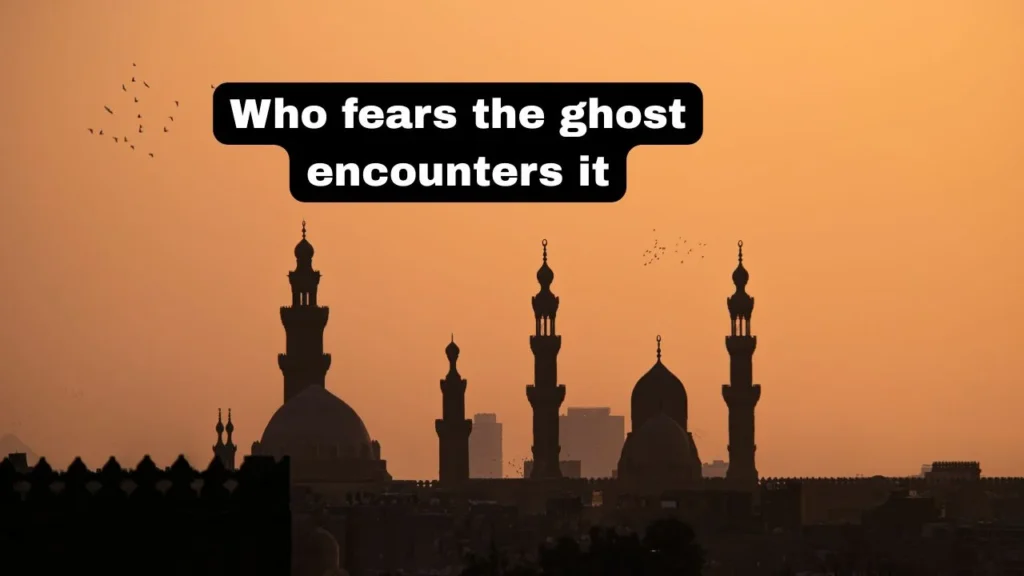
“Who fears the ghost encounters it”
Fear attracts what we dread. This Arabic expression teaches that anxiety creates problems.
This folk metaphor addresses how fear shapes reality. The psychological insight remains relevant today. Across dialectal Arabic, this traditional Arabic wisdom encourages courage. It’s similar to “what you resist persists.” The moral storytelling helps people face fears rather than avoid them.
خبز خبزك ولا تخبز الناس (Khabbiz khabzak wa-la tkhabbiz al-nas)
“Bake your own bread and don’t bake for people”
Focus on yourself before helping others. This Arabic proverb teaches healthy boundaries.
The literal translation about baking bread carries deeper meaning about self-care and priorities. This traditional advice appears in various forms across regional dialects. It doesn’t discourage generosity but reminds us to secure our own needs first. The cultural equivalent is “put your oxygen mask on first.”
Conclusion
These 25 short Arabic quotes represent a small sample of vast traditional Arabic wisdom. Each Arabic proverb carries moral lessons relevant across time and culture.
The Arabic language beauty shines through these brief expressions. Whether in Egyptian Arabic, Levantine Arabic, Moroccan Arabic, Iraqi Arabic, or Gulf Arabic, the cultural expressions teach timeless truths about human nature, social behavior, family values, and loyalty.
Understanding these Arabic sayings opens windows into Arab culture. The metaphorical meaning and figurative speech reveal how people in the Arab world view life, relationships, and challenges. The English translation makes this heritage accessible to audiences in the USA and beyond.

The author behind ShortQuotess.com is a passionate content creator dedicated to delivering powerful ideas in the simplest form. With a strong interest in words, motivation, and digital content, they specialize in curating short, meaningful quotes that inspire people in everyday life.